
FINBIT for Seafarers Project
Country: Global
Period: January 2026 – Ongoing
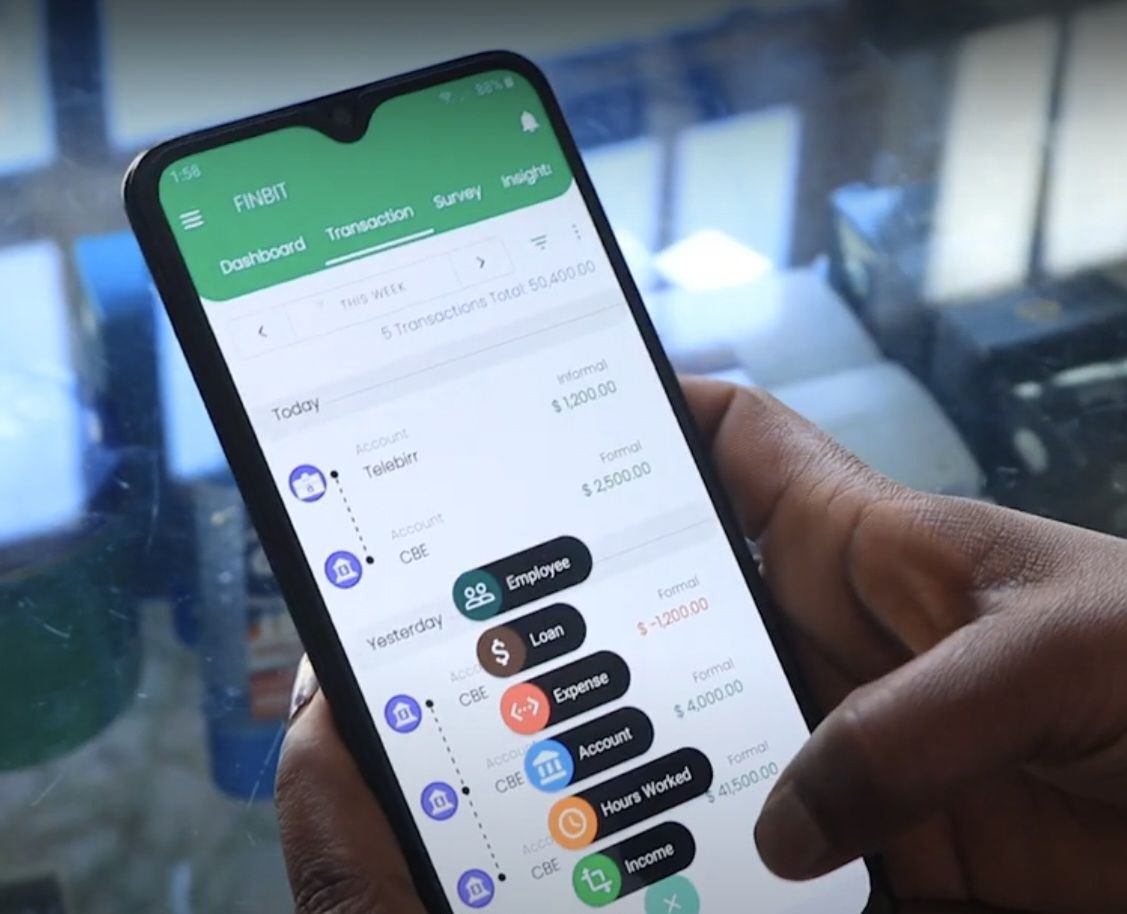
Research Description: Seafarers work across borders and often spend months at sea while supporting families at home. Many still rely on paper records for certificates and voyage histories and have limited tools to manage their finances or keep track of their professional experience. Long periods at sea and separation from family can also create wellbeing and isolation challenges. Read More>>FINBIT for Seafarers, an initiative by L-IFT and Spiritension, provides a secure mobile platform that allows seafarers to manage their financial information, professional records, and personal insights digitally, while also creating space to reflect on experiences and wellbeing during long periods at sea.
Through the FINBIT app, seafarers can:
- Track income, remittances, and household expenses
- Store digital copies of certificates, training records, and voyage history
- Monitor financial trends and plan future spending
- Maintain a portable digital professional record for job applications
- Contribute anonymised insights that help improve seafarer wellbeing and support services
The initiative also generates aggregated insights that help maritime welfare organisations, unions, and sector stakeholders better understand seafarers’ realities and improve support initiatives.
Watch a short video about the project:
For seafarers: join the pilot programme
If you are a seafarer, this is an opportunity to be among the first users of the platform. Participants will explore the app, manage their financial records digitally, and help shape how the platform develops for the wider maritime community.
Register here to join the pilot:
For organisations, partners, and funders
If you are interested in supporting the initiative or exploring collaboration, please contact us at info@l-ift.com.
Tanzania Cross Border Traders Diaries
Country: Tanzania (multiple locations including border points and trading hubs such as Namanga, Mutukula, Tunduma and Dar es Salaam)
Period: February 2025 – Ongoing
Sample size: 350
Client: Financial Sector Deepening Trust Tanzania and TradeMark Africa
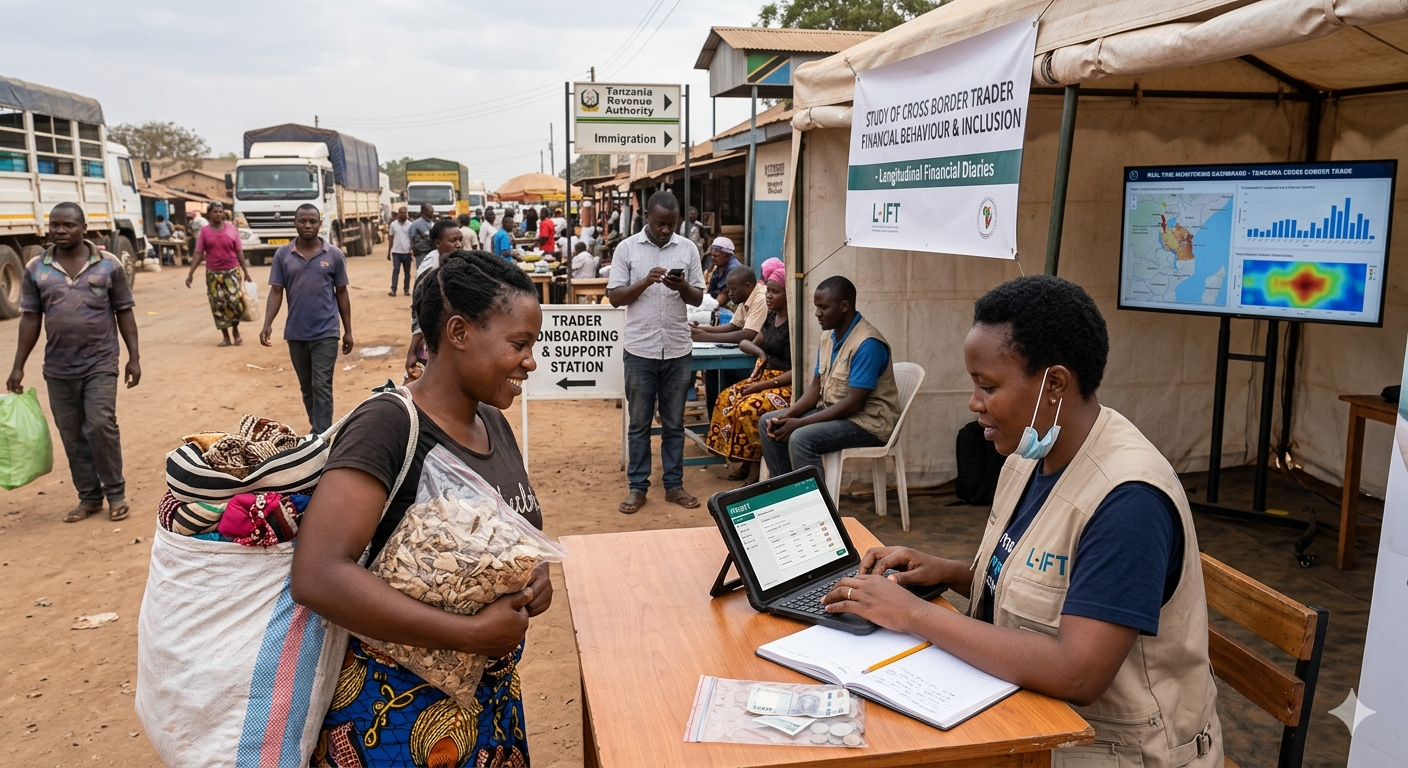
Research Description: This project is a longitudinal financial diaries study focused on cross border traders in Tanzania. Read More>> It aims to generate a detailed understanding of trader financial behaviour, cashflow management, business operations, and the broader financial ecosystem shaping cross border trade. The study addresses a critical gap in demand side data on informal and inter regional traders, particularly women, and supports evidence based financial sector development and regional integration efforts.
What we are doing: L-IFT is implementing a mixed method financial diaries study using FINBIT to capture high frequency transaction and business data over time across multiple trading corridors.
The work includes continuous financial tracking, trader onboarding and support, data quality management, and real time monitoring through dashboards and analytics. The project generates actionable insights on financial behaviours, barriers to financial service access, and opportunities to improve financial inclusion for cross border traders.
Coffee Farmer Income Resilience Evaluation
Country: Kenya and Uganda
Period: January 2026 – Ongoing
Sample size: 500 farmers
Client: MDF (for IDH)
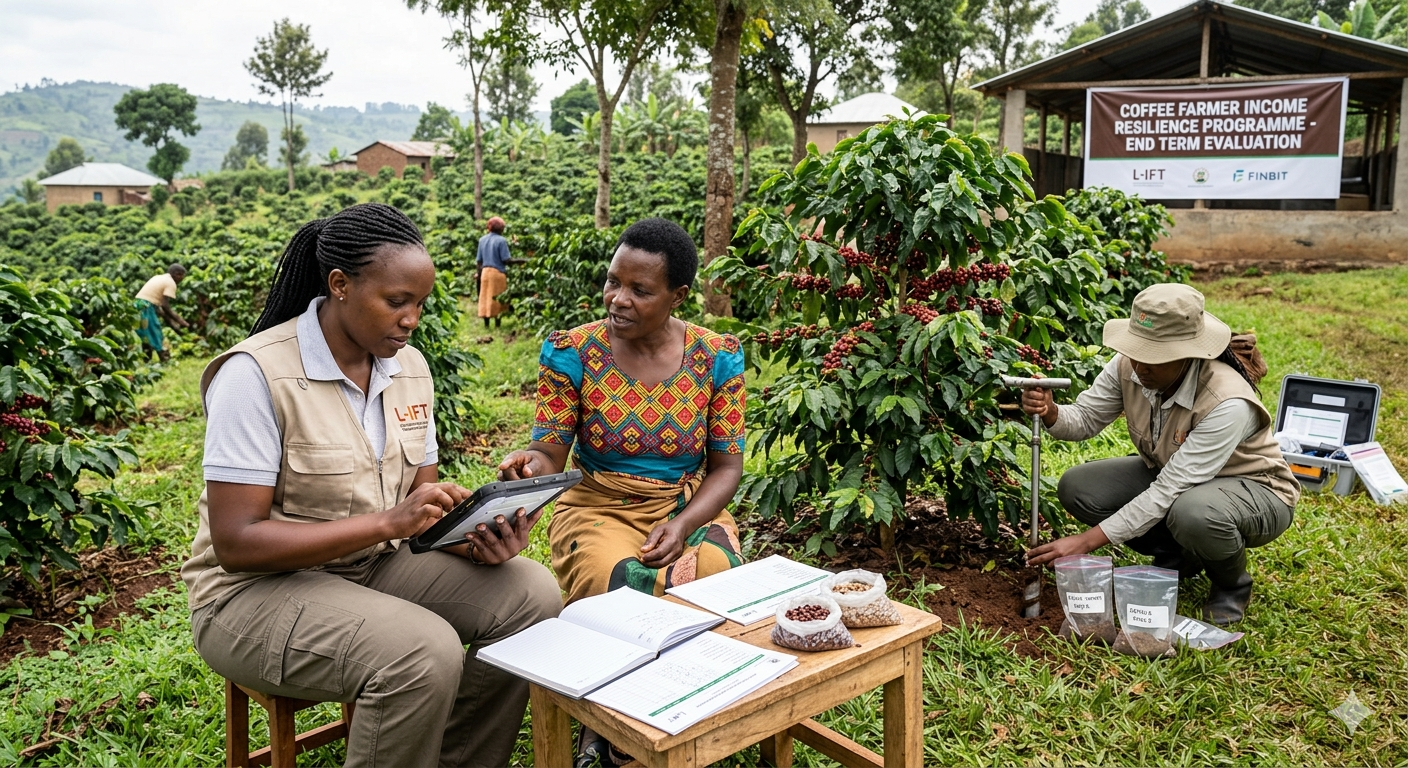
Research Description: This evaluation examines income resilience among smallholder coffee farmers, focusing on income volatility, debt coping strategies, savings behaviour, and investment capacity within coffee-based livelihoods. Read More>> The study forms part of the end term evaluation of the Coffee Farmer Income Resilience Programme, assessing changes over time and identifying scalable service delivery models.
What we are doing: L-IFT leads the quantitative research component, combining structured household surveys with specialised soil testing to assess both financial and agricultural dimensions of resilience. The study integrates farmer level financial data with soil health data to better understand the relationship between income, productivity, and sustainability.
Using FINBIT and supporting data systems, L-IFT aggregates and analyses these datasets to generate integrated insights that link livelihoods, production conditions, and long-term resilience across Kenya and Uganda.
Financial Literacy and Record Keeping for Cross Border Traders (Zimbabwe – South Africa Corridor)
Country: Zimbabwe and South Africa
Period: May 2025 – Ongoing
Sample size: 50 traders (Phase 1 pilot), expected to expand in Phase 2
Client: FinMark Trust
Research Description: This project is a longitudinal financial diaries and financial literacy intervention focused on informal cross border traders. It combines behavioural research with practical financial literacy support to better understand and improve how traders manage money, run their businesses, and interact with financial services. Read More>>The project is structured as a phased intervention where insights from real trader data directly inform the design of financial solutions.
What we are doing: In Phase 1, L-IFT implemented a financial literacy and data collection programme using FINBIT with an initial cohort of 50 traders. Participants recorded daily financial transactions while receiving support to improve record keeping, financial planning, and business decision making.
This phase generated detailed insights into trader cashflows, liquidity cycles, debt behaviour, and financial service usage, and informed the development of a tailored financial literacy approach.
In Phase 2, the project introduces a digital payments intervention. A cross-border payments solution is being developed and will be piloted with selected traders to enable sending, receiving, paying, and managing money across borders more efficiently.
The design of this solution is based directly on insights from the diaries and trader engagement.
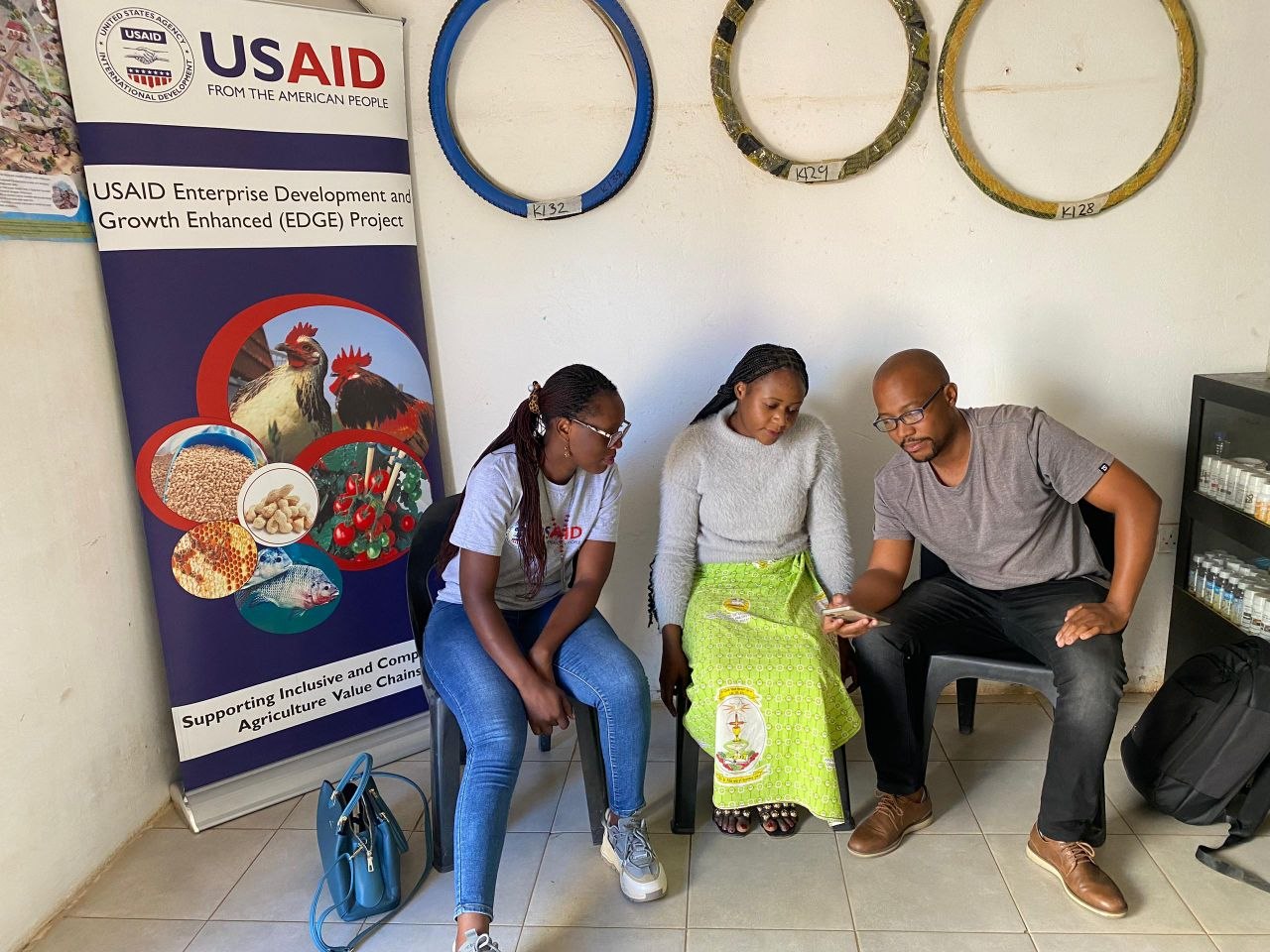
Financial Diaries for EDGE Programme (Agribusiness SMEs and Farmers)
Country: Zambia (Lusaka, Central and Eastern Provinces)
Period: August 2023 – February 2025
Sample size: 300 SMEs
Client: USAID – ACDI/VOCA
Research Description: This project supports agribusiness SMEs to improve profitability, financial management, and access to finance through digital record keeping and data driven decision making. Read More>>
What we are doing: L-IFT adapted and implemented FINBIT as a digital financial management tool for 300 SMEs across three provinces. Businesses use the platform for bookkeeping and financial tracking, enabling improved visibility of revenues, costs, and profitability.
The project combines technology deployment with structured coaching through 8 trained FINBIT Coaches who support SMEs across multiple engagements. Within approximately three months, most businesses are able to independently use the platform and begin applying insights from Business Analytics Reports to inform decisions and strengthen their financial position. The data is also meant to assist businesses build a digital financial footprint and to apply for credit.
IFC Project
Country: Ethiopia
Research Description: The IFC Project is a collaboration between the International Finance Corporation (IFC) and L-IFT. The project aims to understand the financial behavior and needs of Small Holder Farmers and value chain actors in emerging markets, their digital payment needs and pain points as well as the capabilities of financial services providers, such as but not limited to Read More>> banks, microfinance institutions, non-bank financial institutions, payment service providers and fintech, as a basis for expanding access to finance. The project uses a combination of surveys, interviews, and mobile data collection.
Small Firm Diaries Project
Countries: Ethiopia, Nigeria, Kenya, Colombia, Indonesia, and Fiji
Sample size: 865 participants
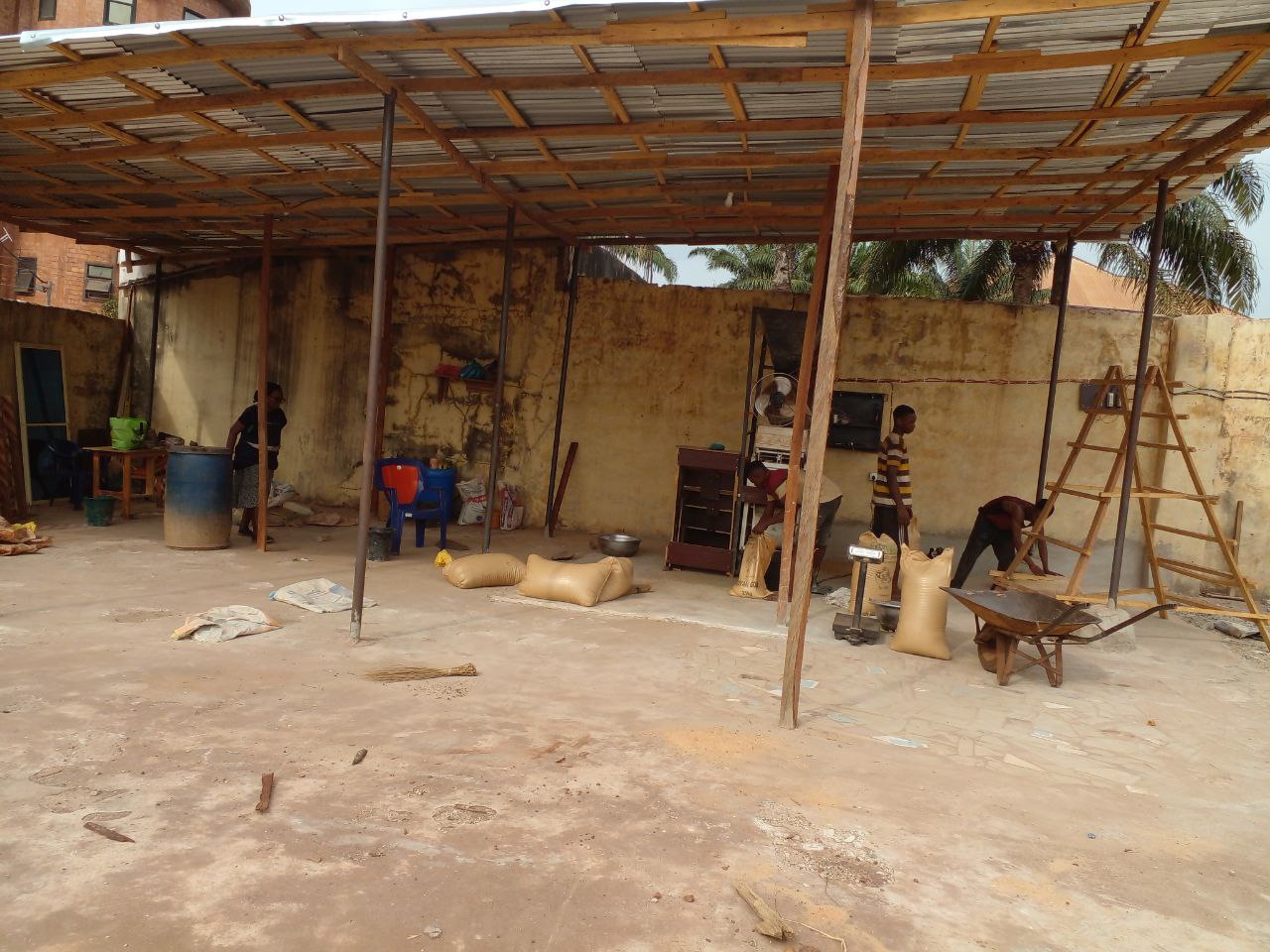
Research Description: Small Firm Diaries is a 3-year global research initiative focused on understanding the economic lives of people near poverty. L-IFT conducts financial diaries research for this project, visiting small firm businesses to understand their cash flow, the stories behind the cash flow, and the decisions made by the owners of these firms. Read More>>The goal is to empower small firm owners, uncover their unique obstacles to growth, and promote financial security in underserved communities, fostering a more inclusive economy.
For more information please visit the project website here.
RCT and Financial Diaries of Female Entrepreneurs in Uganda (RFDF)
Countries: Uganda
Sample size: 600 participants
Research Description: The RCT and Financial Diaries of Female Entrepreneurs in Uganda (RFDF) project is a collaboration between L-IFT, New York University, the Financial Access Initiative, and Careerpath. This project, supported by the Mastercard Foundation, aims to dive into the world of female entrepreneurship.Read More>>
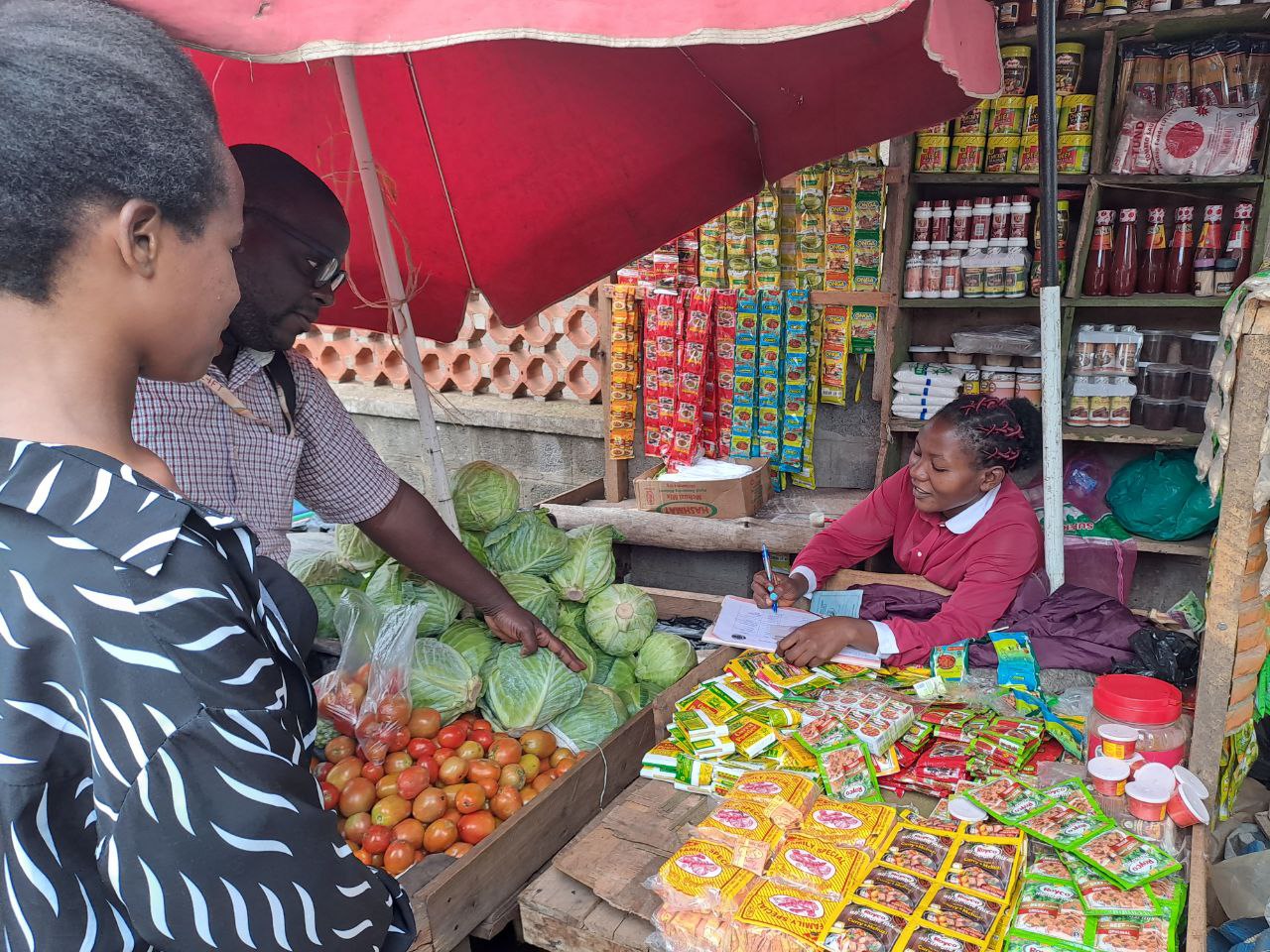
The research project delves into the impact of maintaining financial diaries on business outcomes for female entrepreneurs’ engaged in retail businesses. This study uses a randomised experiment with 600 female entrepreneurs in Kampala Uganda to explore whether keeping a fortnightly business financial diary for one year, with and without a detailed report on the performance of the business, has an impact on their businesses. A survey was carried out with all the businesses before the start of the study, and we followed up with everyone using a midline survey after 6 months and an endline survey after 12 months to collect detailed data on business sales, profits, expenditures, employees, record-keeping practices, inventory management and innovation as well as savings and loans taken, women’s empowerment and household economic outcomes.
Three different target groups of retail business owners had participated. The first group got financial transaction recording as a treatment via well-trained field researchers’ (FRs) biweekly visits using a financial diary application called FINBIT. The second group received the same treatment as the first, with complete performance reports translated into Luganda, the local language. FRs assisted this group of participants in comprehending the reports during their visits. The third group was a control group that was participated only on the surveys.
The project aims to reveal the true potential of financial documentation to influence business success and effects of record keeping on micro enterprises, and whether providing business feedback through reports leads to additional improvements in business performance.
Solar Adoption Randomized Control Trial
Countries: Uganda
Sample size: 1200 participants
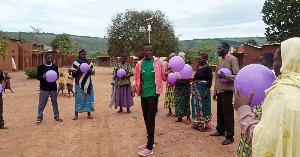
Research Description: The Solar Adoption RCT project, implemented by L-IFT on behalf of the World Bank’s Behavioral Approach Unit, aims to address the low penetration of electric gridsRead More>> and lack of reliable electricity in refugee settlement camps in Uganda, particularly Rhino and Kyangwali Refugee Settlement camps. The project’s goal is to determine the most effective way to encourage refugees in settlement camps to adopt solar energy as an alternative energy source. The project, which began in April and is expected to conclude in March of next year, involves a 6-month intervention period and utilizes a Randomized Controlled Trial (RCT) methodology.
The project is implemented in Nakivale and Kiryandongo Refugee Settlement camps, selected for their distinct demographic characteristics – Kiryandongo mainly for South Sudanese refugees and Nakivale with refugees primarily from Congo and Burundi. The project aligns with Sustainable Development Goal #7, which focuses on ensuring access to affordable, reliable, sustainable, and modern energy for all.

RISE Refugee Finance – Financial Diaries of Refugees Financial Behavior in Response to Financial Services: 2019-2022
Country: Uganda
Sample size: 257 diaries respondents in Dooblo for 1 year, 232 diaries respondents in FINBIT including 31 Cornershop participants, intake of more than 800
Duration: 34 months
Research Description: The beneficiaries for this project are OBUL and FINCA, commissioned by Opportunity International and implemented with PHB consulting services. Read More>>
Early Childhood Development Micro-Entrepreneurs’ Financial
Countries: South Africa
Sample size: 1200 participants
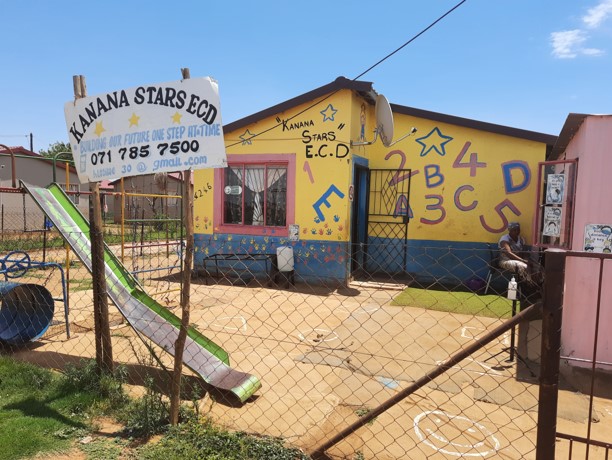
Research Description: L-IFT is supporting Early Childhood Development acceleration in South Africa through a self-reporting livelihood diaries data collection project commissioned by the IMBE Enterprise Incubator in South Africa. Read More>>
FINBIT Corner Shop Diaries Project: 2019 to date
Countries: Bangladesh, India, Indonesia, Mali, Nigeria, Senegal, Uganda, and Zimbabwe
Sample size: 150 participants
Project website: http://cornershop-
Research Description: The corner shop diaries project was conceptualized at a time when the Covid-19 pandemic had started to unfold. Read More>>

FINBIT Experiment Project: 2019-to date
Countries: Uganda, Nigeria, Senegal, and Zimbabwe
Sample size: 300 participants
Duration: 34 months
Research Description: For some years now, L-IFT has developed an app named FINBIT. The app is now in use. We use it for financial diaries data collection. But the app is also intended for the respondents themselves, to use for their own benefit. Read More>>
Youth Research for Scale2Save: 2018-2019
Country: Nigeria, Senegal, and Morocco
Sample size: 354 respondents
Duration: 10 months
Research Description: This project was commissioned by WSBI for its Scale2Save programme, funded by the Mastercard Foundation. This project was about understanding young people’s savings behaviour. It demonstrated the saving patterns of young people in three countries and how they compared. It investigated the scope for youth savings accounts and how these should be designed. Read More>>
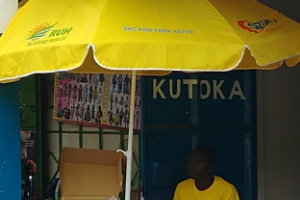
Research into “Does access to renewable energy drive financial inclusion?”: 2018-2019
Country: Uganda and Kenya
Sample size: 1887 respondents
Duration: 10 months
Research Description: The client for this project was Africa Enterprise Challenge Fund’s REACT (renewable energy and adaptation to climate technology). REACT needed to learn whether there was evidence that access to solar resulted in financial inclusion at scale rather than just anecdotal evidence. Read More>>

Long-Term Performance and Evolution of Savings Groups in Uganda and Mali: Jan 2019- Dec 2019
Country: Uganda and Mali
Sample size: 300 groups, more than 4000 individual participants
Duration: 12 months
Research Description: The clients for this project were SEEP Network and FSD Africa. SEEP is a network organization serving the savings group sector with services and studies. L-IFT studied a sample of in total 300 savings groups 8 to 9 years after they were formed. Read More>>
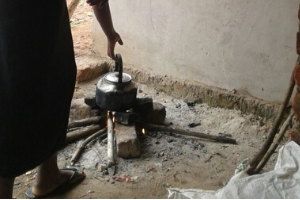
Survey on Access to Finance and Access to Energy in Uganda Baseline-Midline-Endline: 2016-2017
Country: Uganda
Sample size: 2200 respondents
Duration: 12 months
Research Description: While sufficient research is done in Uganda on access to finance and energy, few organisations have access to the data they require. L-IFT initiated research publicly accessible to the entire sector which can provide each actor with the information they require. For instance to measure impact, to test product ideas, to monitor uptake, to learn about user experience. Read More>>
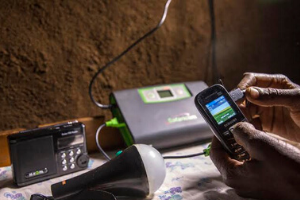
Tracking Effect of Acquiring m-kopa on Energy and Financial Situation: 2016-2017
Country: Uganda
Sample size: 625 respondents
Duration: 12 months
Research Description: L-IFT’s financial diaries measured changes in respondents’ situation due to an M-KOPA solar system. The measurement was in detail (before and after) and measured what m-kopa’s effect was, when it started to take effect, showing for instance whether the effects developed gradually or happened suddenly. Read More>>
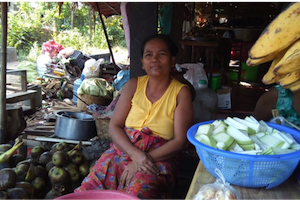
What Women Want (3W): 2017-2018
Country: Myanmar
Sample size: 800 respondents
Duration: 17 months
Research Description: A financial diaries study with women micro-entrepreneurs in Myanmar conducted for BRAC and MFIL. The diaries will reveal what women micro-entrepreneurs’ current pain points and priorities are. BRAC will use the information from the L-IFT diaries to design improved individual loans. MFIL They will use the financial diaries to develop both savings for micro entrepreneurs and new loan products. Access the data portal here.
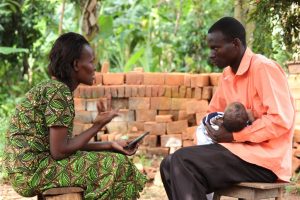
Financial and Energy Diaries in Uganda (FEDU): 2016-2017
Country: Uganda
Sample size: 588 respondents
Duration: 9 months
Research Description: While much research has been done in Uganda regarding access to finance and even access to energy, organisations active in this field do not have access to the required data easily. L-IFT decided to conduct research that would be publicly accessible to the entire financial and energy sectors. The surveys were designed in dialogue with interested actors, and as a result the FEDU data are the go-to reference for those active on the ground.
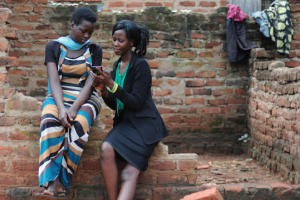
Youth Livelihoods Diaries: 2015-2016
Country: Uganda and Ghana
Sample size: 260 respondents
Duration: 12 months
Research Description: The MasterCard Foundation invited L-IFT to conduct an in-depth research into youth livelihoods. This Youth Livelihoods Diaries combined research into youth’s ways of getting a job, starting a business, their activity in agriculture and their financial behaviour. The resulting data depict their mixed livelihoods: how young people achieve income from such a variety of sources and how their life consists of a multitude of different activities, cobbling a living together from different sources. Read more >>
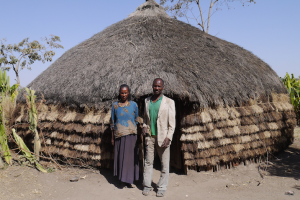
Assessment of Financial Capability of ePSNP Recipients in Ethiopia: 2016-2017
Country: Ethiopia
Sample size: 1000 respondents
Duration: 6 months
Research Description: The WorldBank supports the electronic payment of PSNP, a cash transfer programme in Ethiopia. With the help of L-IFT they wanted to assess the satisfaction of the recipients with the electronic payments and the financial capability of electronic recipients. A survey of over 1000 respondents randomly selected across four regions, Key Informant Interviews and focus group discussions resulted in a rich set of data and a WorldBank publication.

Assessment of Transaction Pools for Digital Financial Services in Ethiopia: 2016-2017
Country: Ethiopia
Sample size: 40 respondents
Duration: 6 months
Research Description: EP hired L-IFT and PHB Development to supply the follow-on work of Ignacio Mas’s assignment for building Ethiopia’s digital financial services. The existing financial transaction pools and the possibility to turn them digital and estimates what is required to transform those with potential was assessed. Furthermore, the potential demand and drivers for adoption and rejection for certain types of digital services was studied.
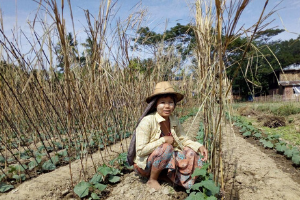
Independent Impact Assessment of Proximity Farm Advisory Services: Feb 2019 – May 2019
Country: Myanmar
Sample size: 1800 respondents
Duration: 4 months
Research Description: This project was an impact assessment done on farmers for Proximity and MDF. The farmers in the intervention attended information sessions provided by Proximity extensions workers and were informed of two new techniques, one related to selecting good quality seed and another one in relation to the right timing and quantity of fertilizer application. Read More>>
School Finance: 2016
Country: Kenya
Sample size: 90 schools
Duration: 4 months
Research Description: Opportunity International supported a partner Microfinancing Institution in Kenya with expanding its EduFinance. They needed to understand what financial services schools currently use and what services they need. Based on a school survey and a survey among parents, L-IFT designed a cashless fee collection of a cash-flow management loan product.

Irrigation diaries for MicroInsurance Academy: 2016
Country: India
Sample size: 420 respondents
Duration: 4 months
Research Description: The MicroInsurance Academy in India had been collecting data on rain fall, irrigation and other agricultural practices and direct soil moisture measurements through diaries. MIA hired L-IFT to order all the available data, identify which data could be used, develop hypotheses regarding the potential correlations and test these correlations. L-IFT wrote the comprehensive research report suitable for peer review and academic publications.
Youth Start impact assessment through financial diaries research: 2014-15
Country: Ethiopia and Togo
Sample size: 280 respondents
Duration: 9 months
Research Description: YouthStart is a large project implemented by UNCDF in partnership with the MasterCard Foundation with 11 MFI partners in 10 countries. The programme reached 400,000 youth with savings accounts. L-IFT conducted a detailed impact research into the project’s beneficiaries and made recommendations for improvement. The research also provided a deeper understanding of the youth it targeted regarding their behaviour, attitudes, skills and knowledge.